

Annual Physical in Albuquerque: What It Should Include

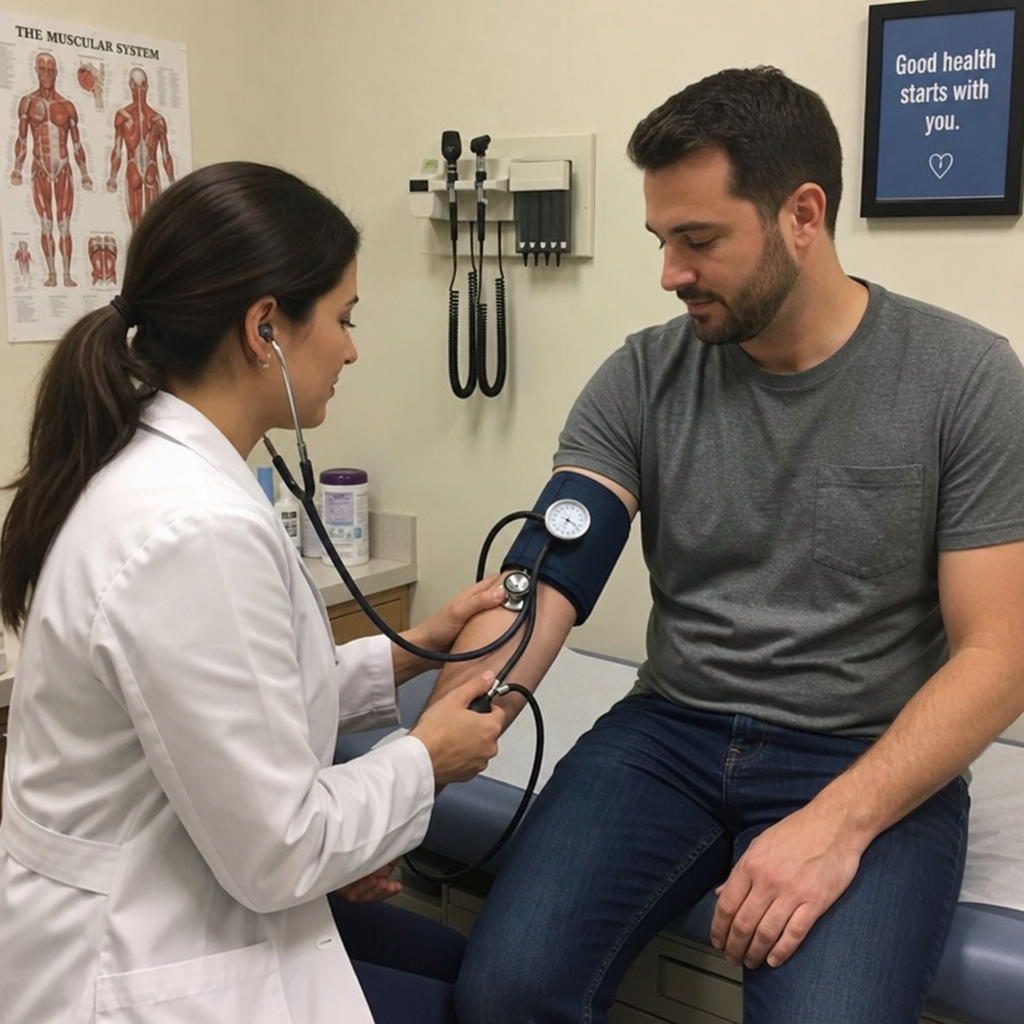
An annual physical is a routine visit focused on prevention, early detection, and a clearer picture of your overall health. If you are searching for an annual physical Albuquerque patients can feel prepared for, it helps to know what should happen before you book, what questions to ask, and how the visit connects to long-term care. A good yearly checkup is not just a quick once-over; it should combine conversation, exam findings, appropriate screenings, and a plan you understand.
What is included in an annual physical?
An annual physical exam usually includes a review of your health history, vital signs, a head-to-toe physical assessment, age-appropriate screenings, medication review, lifestyle discussion, and recommendations for vaccines or lab work. The exact details vary based on your age, sex, personal risk factors, family history, symptoms, and whether you are managing a chronic condition.
A thorough preventive care visit should begin with a conversation. Your clinician may ask about recent symptoms, sleep, mood, exercise, diet, tobacco or alcohol use, sexual health, work stress, family medical history, and any changes since your last visit. This is where small details matter. Fatigue, headaches, weight changes, dizziness, shortness of breath, or new pain can help guide what the provider checks next.
The physical portion often includes blood pressure, heart rate, temperature, weight, and sometimes oxygen level. Your provider may listen to your heart and lungs, check your abdomen, examine your skin, assess reflexes or strength, and look at your ears, throat, eyes, or lymph nodes when appropriate. Depending on your needs, the visit may also include breast, pelvic, prostate, or testicular exams, or a referral for those services.
How often should you get a physical?
For many adults, a yearly checkup is a practical rhythm for staying current on preventive care, reviewing risk factors, and catching changes early. However, the best answer to how often should you get a physical depends on your health status, age, medications, family history, and whether you have conditions such as diabetes, high blood pressure, heart disease, asthma, or thyroid disease.
Some younger, healthy adults may not need an extensive exam every single year, but they still benefit from periodic preventive visits to update vaccines, establish baselines, and discuss lifestyle goals. Adults with ongoing medical conditions often need more frequent follow-ups in addition to their annual wellness visit. If you are unsure, ask your provider what schedule makes sense for you rather than relying on a one-size-fits-all rule.
A yearly visit can be especially useful when life changes. Moving to Albuquerque, changing jobs, starting a new exercise routine, planning pregnancy, caring for aging parents, or dealing with new stress can all affect your health. The annual physical creates a dedicated moment to step back and connect the dots before a small concern becomes harder to manage.
Annual blood work and preventive screenings
Annual blood work is not automatically the same for every patient. A good provider orders tests based on what is clinically useful, not simply because a panel is available. Common lab work may include cholesterol testing, blood sugar or A1C screening, kidney and liver markers, a complete blood count, thyroid testing when symptoms suggest it, and urinalysis when appropriate.
Screenings are also personalized. For example, your provider may discuss colon cancer screening, breast cancer screening, cervical cancer screening, prostate health, bone density, hearing, vision, sexually transmitted infection testing, or immunizations. The right timing depends on guidelines, your personal history, and shared decision-making with your clinician.
Useful screening topics to review during an annual physical include:
- Blood pressure: High blood pressure can be silent, so routine checks are important even when you feel well.
- Cholesterol and heart risk: Lipid testing can help guide nutrition, exercise, medication decisions, and follow-up.
- Blood sugar: Screening can identify prediabetes or diabetes before symptoms are obvious.
- Cancer screening: Your age, sex, family history, and prior results influence what is recommended.
- Vaccines: Your provider can help you stay current on flu, COVID, tetanus, shingles, pneumonia, HPV, or travel-related vaccines when relevant.
- Mental health: Anxiety, depression, burnout, sleep problems, and substance use should be part of whole-person care.
The goal is not to order every possible test. The goal is to choose the right preventive steps for your actual risk profile.
What to expect at a physical?
At a physical, you can expect a mix of questions, measurements, examination, preventive counseling, and next steps. The appointment should leave you with a clear understanding of what looks stable, what needs attention, what labs or screenings are recommended, and when to follow up.
Most visits start with intake paperwork or updates to your chart. Bring a current medication list, including supplements, allergies, recent test results, vaccine records, and the names of specialists you see. If you monitor blood pressure, blood sugar, peak flow, weight, or symptoms at home, bring those notes too.
During the visit, be honest about habits and concerns. Your provider is not there to grade you; they are there to help you make informed decisions. If you have several issues to discuss, write them down in priority order so the most important concerns are addressed first.
A simple preparation checklist:
- List your top three concerns before the appointment.
- Bring all medications and supplements or an updated written list.
- Know your family history, especially heart disease, cancer, diabetes, stroke, and autoimmune conditions.
- Ask which screenings are due and why they matter.
- Clarify costs when needed, especially if you are uninsured, using a high-deductible plan, or paying cash.
- Leave with a plan for labs, referrals, lifestyle changes, prescriptions, or follow-up visits.
A good physical connects prevention with real life
The best annual physical is not just a checklist. It should translate medical information into practical steps that fit your life in Albuquerque: your work schedule, family responsibilities, activity level, budget, access to follow-up care, and health goals.
For one person, the priority may be lowering blood pressure and building an exercise habit. For another, it may be catching up on cancer screening, managing medication side effects, or understanding why energy levels have changed. Parents may be focused on school forms and sports clearance. Older adults may want to review fall risk, bone health, hearing, memory concerns, or medication interactions.
This is also where continuity matters. When the same primary care team sees you over time, they can notice trends that a one-time visit might miss. A slightly higher blood pressure, gradual weight change, recurring abdominal discomfort, or a shift in lab values can become more meaningful when compared against your previous baseline.
Different types of physicals serve different purposes
Not every physical is the same as an annual wellness visit. If you are scheduling an appointment, use the right language so the clinic can book the proper type of visit and avoid confusion.
Common physical types include:
- Annual physical: A broad preventive exam focused on health history, physical assessment, labs, screenings, and wellness planning.
- Annual wellness visit: Often used in insurance or Medicare contexts, this may focus heavily on prevention, risk assessment, care planning, and screenings rather than a full hands-on exam.
- Sports physical: Usually evaluates whether a child, teen, or adult can safely participate in athletics.
- Employment physical: May check whether someone can meet job-related health or safety requirements.
- Preoperative physical: Assesses readiness for surgery and may include labs, EKG, medication review, and risk evaluation.
- DOT physical: Required for certain commercial drivers and performed by certified medical examiners.
If you need forms completed, mention that when scheduling. Some forms require specific tests, vaccine documentation, or examiner credentials.

Finding an annual physical near me in Albuquerque
When searching for an annual physical near me, look beyond location alone. Convenience matters, but the quality of the visit depends on how well the clinic listens, explains recommendations, coordinates follow-up, and helps you understand costs.
Albuquerque patients may choose from traditional primary care offices, community clinics, urgent care-style settings, concierge or membership-based practices, and direct primary care models. Each has trade-offs. A traditional primary care office may be a strong choice for ongoing relationships and insurance-based care. A walk-in clinic may be convenient for forms or simple needs, but may not offer the same continuity. Membership models may appeal to people who want easier access and transparent visit structures, but costs and included services vary.
Before booking, consider asking:
- Is this visit billed as an annual physical, annual wellness visit, or problem-focused visit?
- Are labs included, billed separately, or sent to an outside lab?
- Can the provider manage chronic conditions and preventive care over time?
- How quickly can I follow up if results are abnormal?
- Will I receive written instructions or an online summary?
- Are vaccines, EKGs, forms, or specialized screenings available onsite?
If pricing is a concern, ask directly about self-pay rates, insurance billing, lab fees, and what happens if a preventive visit turns into a discussion of a new medical problem. Clear expectations can prevent billing surprises.
The takeaway for Albuquerque patients
A well-planned annual physical should help you understand where your health stands today and what to do next. It should include meaningful conversation, appropriate examination, smart use of annual blood work, personalized screenings, and a follow-up plan that feels realistic.
If you are due for a yearly checkup, schedule it before a concern becomes urgent. Bring your questions, ask what is included in an annual physical, and make sure you leave with a prevention plan tailored to your age, risks, and goals. The right annual physical can be one of the simplest ways to stay proactive about your health in Albuquerque.
Read More Blogs!
Stay updated with the latest blog posts and engage with our community.
.avif)