

Perimenopause Fatigue: Why You're Exhausted in Your 40s and What Albuquerque Women Should Get Tested
%20(1).jpg)
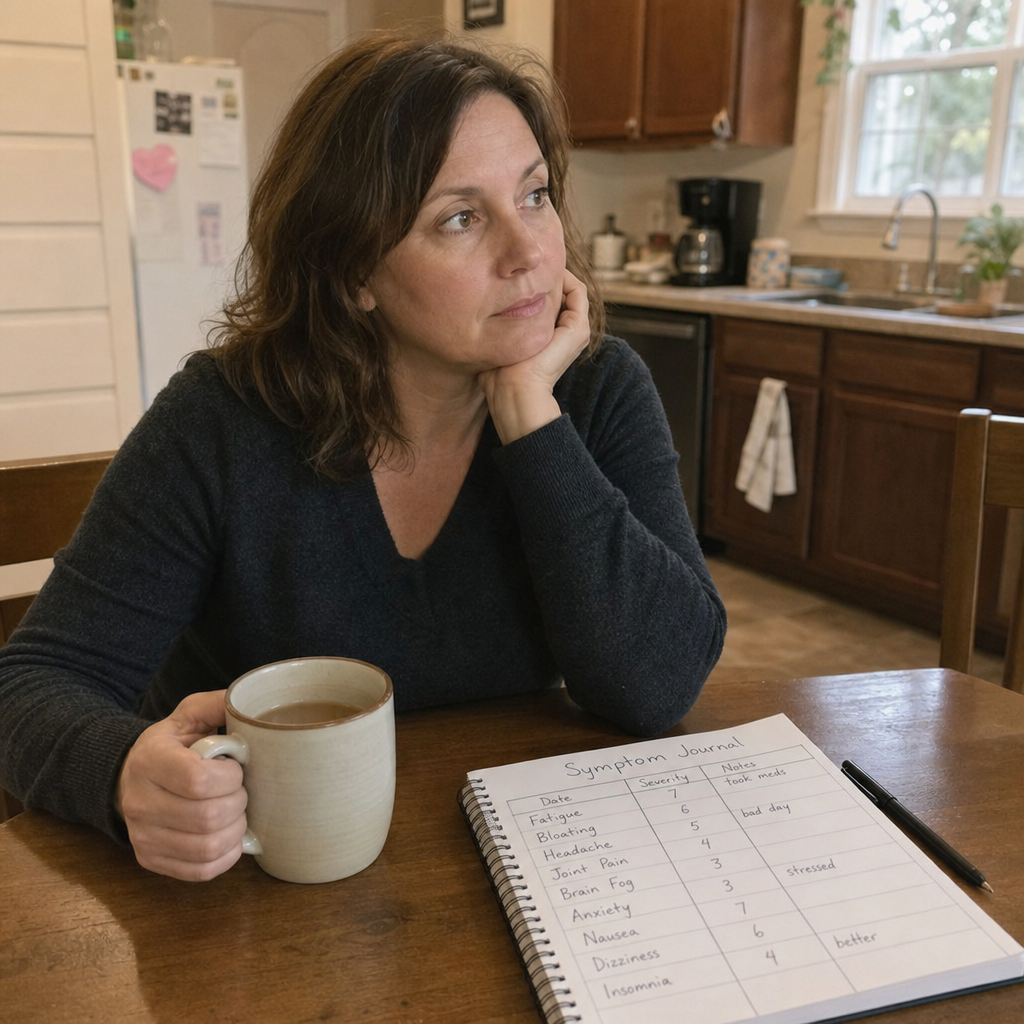
Feeling wiped out in your 40s can be more than a busy schedule, especially when it comes with disrupted sleep, heavier or irregular periods, brain fog, mood shifts, or hot flashes. Perimenopause fatigue is often tied to changing estrogen and progesterone, but it can also overlap with thyroid disease, anemia, vitamin deficiencies, depression, sleep apnea, and other treatable issues. For women searching for perimenopause fatigue albuquerque guidance, the most useful next step is not guessing; it is tracking symptoms, asking for the right evaluation, and working with a clinician who understands midlife hormone changes.
Why does perimenopause fatigue happen in your 40s?
Perimenopause is the transition leading up to menopause, and it often begins in the mid-40s as estrogen levels rise and fall unpredictably. ACOG describes this stage as a time when symptoms such as hot flashes, night sweats, sleep problems, and vaginal dryness can begin before periods stop completely. (acog.org)
That hormonal fluctuation can affect energy in several ways. Poor sleep from night sweats may leave you exhausted before the day starts. Shifting estrogen can also influence mood, concentration, temperature regulation, and how resilient you feel under stress. Mayo Clinic notes that perimenopause symptoms can include irregular periods, hot flashes, sleep problems, mood changes, and changes in sexual function. (mayoclinic.org)
The frustrating part is that perimenopause fatigue rarely arrives alone. Many women describe a cluster of perimenopause symptoms that feel unrelated until they are viewed together: waking at 3 a.m., losing words mid-sentence, feeling unusually anxious, needing more recovery after workouts, or feeling drained despite “normal” labs from a basic checkup.
The early signs are easy to dismiss
The early signs of perimenopause can look like ordinary midlife stress. A demanding job, caregiving, parenting, altitude changes, dry Albuquerque nights, and packed schedules can all make fatigue feel explainable. But when exhaustion becomes persistent or new for you, it deserves attention.
Common hormone imbalance symptoms to track include:
- Sleep changes: trouble falling asleep, waking often, night sweats, or feeling unrefreshed.
- Cycle changes: shorter cycles, skipped periods, heavier bleeding, spotting, or unpredictable timing.
- Temperature changes: hot flashes, sudden sweating, chills, or heat sensitivity.
- Cognitive changes: perimenopause brain fog, trouble focusing, forgetfulness, or word-finding issues.
- Mood changes: irritability, anxiety, low mood, or feeling less able to handle normal stress.
- Body changes: joint aches, headaches, weight changes, lower libido, or slower exercise recovery.
A symptom journal can make your appointment more productive. Write down your period dates, sleep quality, hot flashes, mood changes, energy crashes, caffeine and alcohol intake, and any heavy bleeding. Patterns matter because perimenopause is often recognized through history and symptoms, not one perfect lab result.
Perimenopause vs menopause is mostly about timing
Perimenopause vs menopause can be confusing because the symptoms overlap. Perimenopause is the transition when hormones fluctuate and periods may still happen. Menopause is confirmed after 12 consecutive months without a period when there is no other medical reason for the missed periods, according to the Office on Women’s Health. (womenshealth.gov)
Fatigue can happen in both stages, but the pattern may differ. During perimenopause, energy often rises and falls with cycle changes, poor sleep, heavy bleeding, or sudden hormone shifts. After menopause, fatigue may be more connected to chronic sleep disruption, hot flashes, mood symptoms, genitourinary symptoms, muscle loss, or untreated medical conditions.
This distinction matters because a 44-year-old with irregular heavy periods and exhaustion needs a different evaluation than a 56-year-old who has not had a period in several years. Both deserve care, but the questions, risks, and treatment options are not always the same.
What should Albuquerque women get tested?
Albuquerque women with persistent midlife fatigue should ask for an evaluation that looks beyond reproductive hormones. A perimenopause blood test may be part of the conversation, but Mayo Clinic cautions that fluctuating hormones can make it hard to determine menopause status from hormone testing alone. (mayoclinic.org)
Useful perimenopause testing often includes screening for common fatigue contributors. Ask your clinician which of these fit your symptoms and health history:
- Complete blood count: checks for anemia, infection clues, and other blood-related issues.
- Ferritin and iron studies: especially important if periods are heavier or more frequent.
- Thyroid panel: thyroid problems can mimic menopause-related symptoms, and Mayo Clinic specifically notes that hyperthyroidism can cause symptoms like those of menopause. (mayoclinic.org)
- Vitamin B12 and vitamin D: deficiencies can contribute to low energy, mood changes, aches, or weakness.
- Metabolic screening: glucose, A1C, liver function, kidney function, and electrolytes may help rule out non-hormonal causes.
- Reproductive hormones when appropriate: FSH, estradiol, progesterone, and sometimes other hormones may help in select situations, but results should be interpreted with symptoms and cycle timing.
- Pregnancy test when relevant: irregular bleeding or missed periods in the 40s still needs appropriate screening.
- Sleep evaluation: if snoring, gasping, morning headaches, or daytime sleepiness are present, ask whether sleep apnea should be assessed.
If you are searching “hormone testing near me,” look for care that includes both lab interpretation and a plan. Testing without context can create confusion, especially when hormones naturally fluctuate from week to week.
Sleep disruption is a major energy thief
Perimenopause insomnia can be subtle at first. You may fall asleep normally, then wake overheated, anxious, or alert in the middle of the night. Over time, fragmented sleep can drive daytime fatigue, cravings, irritability, headaches, and difficulty concentrating.
Hot flashes and night sweats are common culprits. ACOG notes that hormone therapy can help relieve menopause and perimenopause symptoms, including hot flashes and night sweats, and states that estrogen therapy is the most effective treatment for hot flashes and night sweats. (acog.org)
Start with practical sleep steps while you pursue evaluation:
- Keep your room cool and use breathable bedding.
- Limit alcohol close to bedtime, since it can worsen night waking for some people.
- Move caffeine earlier in the day and track whether it affects sleep.
- Use a consistent wake time, even after a rough night.
- Ask about cognitive behavioral therapy for insomnia if sleep anxiety has become a pattern.
- Tell your clinician about snoring, restless legs, panic-like waking, or frequent bathroom trips.
Sleep is not a “soft” issue. If perimenopause fatigue is making work, driving, caregiving, or emotional regulation harder, sleep quality should be part of the medical conversation.
Treatment works best when it is individualized
There is no single fix for perimenopause fatigue because the cause may be hormonal, medical, behavioral, or a mix of all three. The right plan depends on your symptoms, bleeding pattern, health history, medications, cancer history, clot risk, cardiovascular risk, and personal preferences.
Options to discuss with a qualified clinician may include:
- Hormone therapy: ACOG says hormone therapy can help relieve symptoms of menopause and perimenopause, but it is not right for everyone and should be individualized. ACOG also recommends FDA-approved hormone therapy over compounded hormone therapy. (acog.org)
- Nonhormonal medications: certain prescription options may help with hot flashes, sleep, or mood symptoms when hormone therapy is not preferred or not appropriate.
- Nutrition support: prioritize protein, fiber-rich carbohydrates, hydration, and regular meals to reduce energy crashes.
- Strength training: building and maintaining muscle can support metabolism, joint stability, and daily stamina.
- Stress regulation: chronic stress can worsen sleep and perceived fatigue, so recovery time is not optional.
- Bleeding management: heavy periods should be addressed, not endured, because iron depletion can worsen exhaustion.
Be cautious with supplement-heavy plans that promise to “balance hormones” without evaluating basic medical causes. Magnesium, vitamin D, iron, or B12 may be helpful when they fit your situation, but more is not always better, and iron should generally be guided by testing.
Finding local care in Albuquerque
If your usual appointment leaves you feeling dismissed, consider looking for a clinician with focused menopause experience. The Menopause Society offers a practitioner directory for finding clinicians who provide care through perimenopause and beyond, while also noting that directory inclusion is not an endorsement. (portal.menopause.org)
Local options may include an OB-GYN, primary care clinician, endocrinologist, sleep specialist, or a menopause specialist albuquerque patients can see for more focused symptom management. UNM Health states that its women’s health services include care from young adulthood through menopause, and a 2026 UNM Health Sciences article specifically discusses menopause symptoms such as hot flashes, sleep deprivation, brain fog, and fatigue. (unmhealth.org)
Before booking, ask practical questions:
- Do you evaluate perimenopause symptoms in women who still have periods?
- Do you treat based on symptoms as well as labs?
- What fatigue-related labs do you typically order?
- Do you discuss both hormone therapy and nonhormonal options?
- How do you evaluate heavy bleeding, insomnia, brain fog, and mood changes?
- Will you coordinate with primary care, endocrinology, or sleep medicine if needed?
The best care is not just a lab order or a prescription. It is a thoughtful review of your symptoms, risks, goals, and daily life.
Your next best step
Perimenopause fatigue is real, common, and worth investigating. If you are in your 40s and feel unlike yourself, do not wait until exhaustion becomes your normal. Track your symptoms for a few weeks, request a broad fatigue workup, and ask whether perimenopause could be part of the picture.
The goal is not to prove that every symptom is hormonal. The goal is to identify what is treatable, protect your long-term health, and help you get enough energy back to participate in your life again.
Read More Blogs!
Stay updated with the latest blog posts and engage with our community.
.avif)