

What Are GLP-1 Peptides?

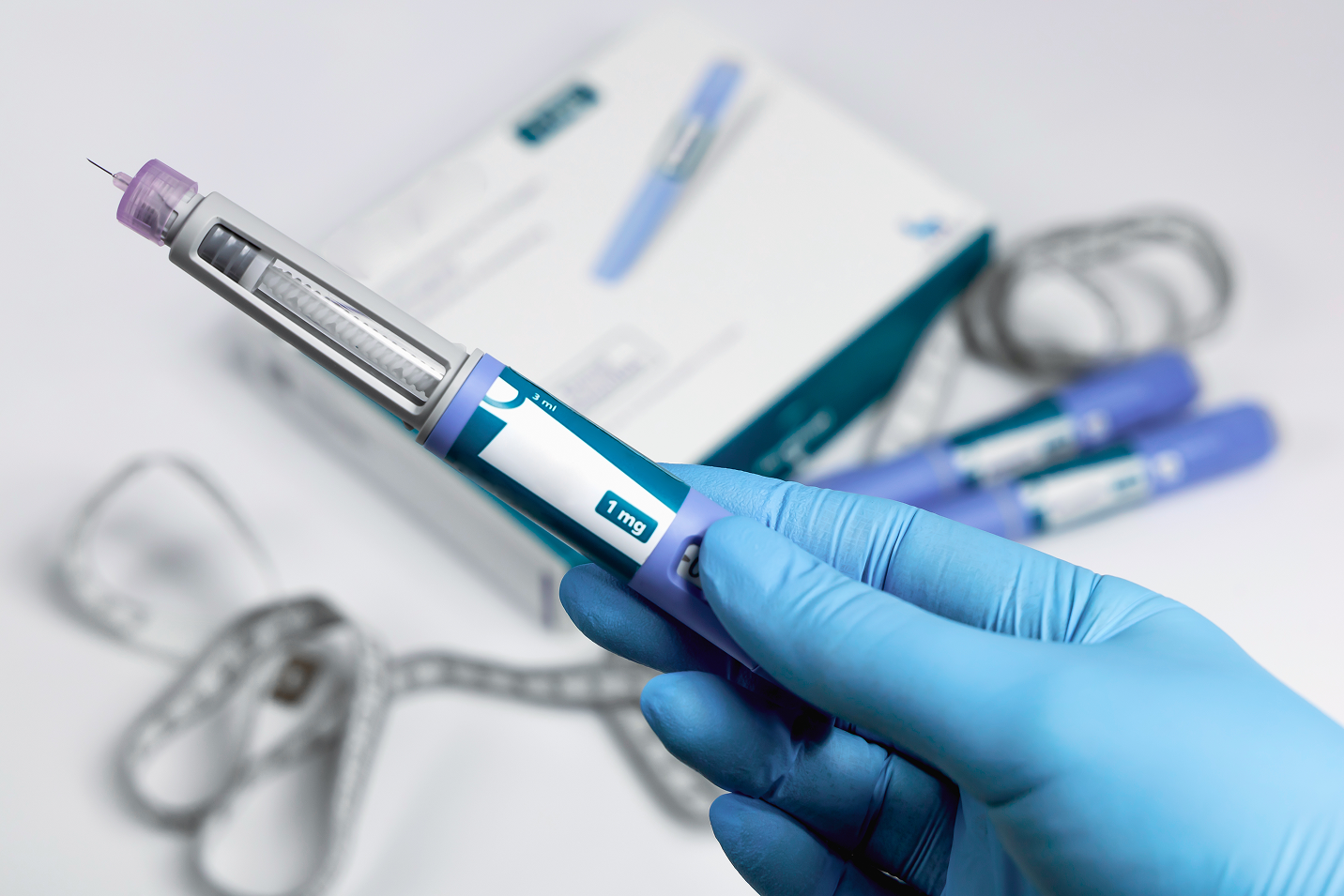
GLP-1 (glucagon-like peptide-1) medications are a class of drugs that mimic the effects of a natural hormone called GLP-1. This hormone is involved in regulating blood sugar levels and plays a role in appetite control and digestion. GLP-1 medications are commonly used in the treatment of type 2 diabetes and, more recently, for weight management.
Here’s how they work:
- Increase Insulin Production: GLP-1 medications help the pancreas produce more insulin, particularly after meals, which helps lower blood sugar levels.
- Inhibit Glucagon Release: They reduce the release of glucagon, a hormone that raises blood sugar levels, particularly between meals or when fasting.
- Slow Gastric Emptying: By delaying the emptying of the stomach, they help reduce appetite and control food intake, contributing to weight loss.
- Promote Satiety: GLP-1 medications can make you feel full faster, which can reduce overall calorie intake.
Common GLP-1 medications include exenatide (Byetta, Bydureon), terzepatide (Mounjaro), dulaglutide (Trulicity), and semaglutide (Ozempic, Wegovy).
These medications are often injected and are generally well-tolerated, but some patients may experience side effects like nausea, vomiting, or gastrointestinal discomfort. They're widely used for people with type 2 diabetes to improve glycemic control and are also approved for chronic weight management in certain cases.
Read More Blogs!
Stay updated with the latest blog posts and engage with our community.
.avif)